


When we talk about research careers, the focus often lies on what individual researchers can do: develop skills, build networks, publish strategically or become more mobile.
But an intersectional perspective also asks us to look at the structures surrounding those individual careers.
What conditions make certain career paths easier for some researchers and more difficult for others? And where can universities and research organisations make a difference?
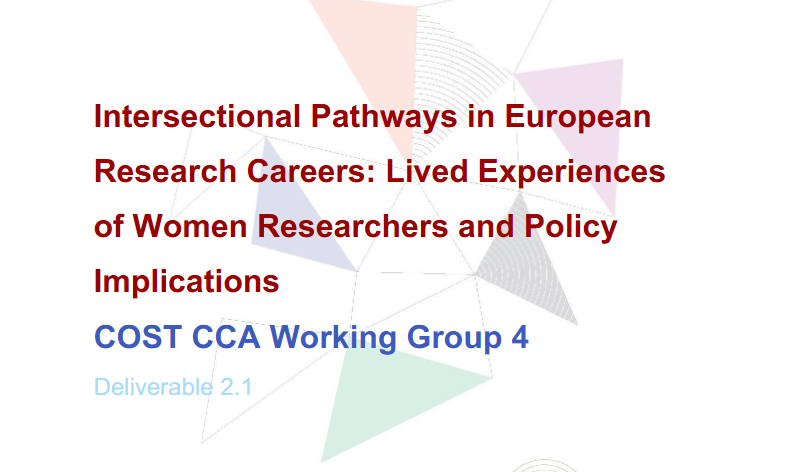
The new report Intersectional Pathways in European Research Careers: Lived Experiences of Women Researchers and Policy Implications answers these questions by
- putting the lived experiences of women researchers in Europe at the centre of its interest
- inviting us to look at research careers through an intersectional lens
- considering what these experiences mean for policy and making concrete policy recommendations based on the findings
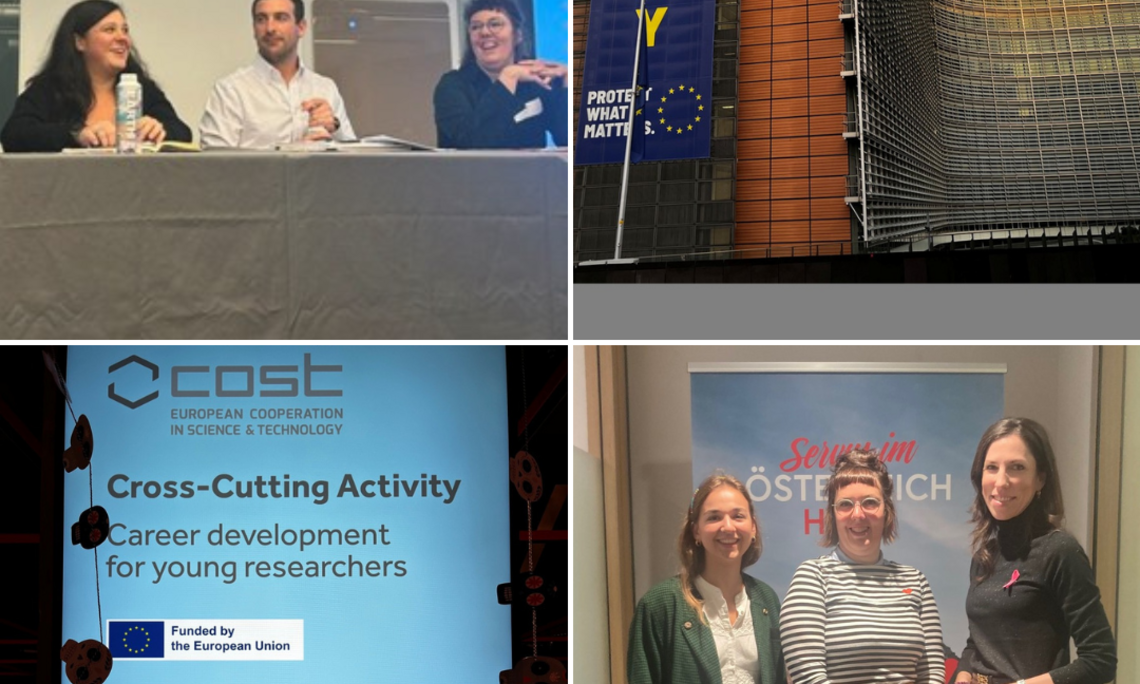
This report is a key deliverable of the COST Cross-Cutting Activity on career development for young researchers and was co-authored by our team member at RCC Raphaela Hemet.
Read the report here: Intersectional Pathways in European Research Careers: Intersectional Pathways in European Research Careers: Lived Experiences of Women Researchers and Policy Implications