



Beginn des Seitenbereichs:
Seitenbereiche:

  • Zum Inhalt (Zugriffstaste 1)
  • Zur Positionsanzeige (Zugriffstaste 2)
  • Zur Hauptnavigation (Zugriffstaste 3)
  • Zur Unternavigation (Zugriffstaste 4)
  • Zu den Zusatzinformationen (Zugriffstaste 5)
  • Zu den Seiteneinstellungen (Benutzer/Sprache) (Zugriffstaste 8)
  • Zur Suche (Zugriffstaste 9)

Ende dieses Seitenbereichs. Zur Übersicht der Seitenbereiche

Beginn des Seitenbereichs:
Seiteneinstellungen:

Deutsch de
English en
Suche
Anmelden

Ende dieses Seitenbereichs. Zur Übersicht der Seitenbereiche

Beginn des Seitenbereichs:
Suche:

Suche nach Details rund um die Uni Graz
Schließen

Ende dieses Seitenbereichs. Zur Übersicht der Seitenbereiche


Suchen

Beginn des Seitenbereichs:
Hauptnavigation:

Seitennavigation:

  • Universität

    Universität
    • Die Uni Graz im Portrait
    • Organisation
    • Strategie und Qualität
    • Fakultäten
    • Universitätsbibliothek
    • Jobs
    • Campus
    Lösungen für die Welt von morgen entwickeln – das ist unsere Mission. Unsere Studierenden und unsere Forscher:innen stellen sich den großen Herausforderungen der Gesellschaft und tragen das Wissen hinaus.
  • Forschungsprofil

    Forschungsprofil
    • Unsere Expertise
    • Forschungsfragen
    • Forschungsportal
    • Forschung fördern
    • Forschungstransfer
    • Ethik in der Forschung
    • Kommission für wissenschaftliche Integrität
    Wissenschaftliche Exzellenz und Mut, neue Wege zu gehen. Forschung an der Universität Graz schafft die Grundlagen dafür, die Zukunft lebenswert zu gestalten.
  • Studium

    Studium
    • Studieninteressierte
    • Infos für Studierende
    • Anmeldung zum Studium (Wintersemester 2026/27)
    • Welcome Weeks für Erstsemestrige
  • Community

    Community
    • International
    • Am Standort
    • Forschung und Wirtschaft
    • Absolvent:innen
    Die Universität Graz ist Drehscheibe für internationale Forschung, Vernetzung von Wissenschaft und Wirtschaft sowie für Austausch und Kooperation in den Bereichen Studium und Lehre.
Jetzt aktuell
  • Jetzt zum Studium anmelden
  • Jetzt die "Youni"-App holen
  • Klimaneutrale Uni Graz
  • Forscher:innen gefragt
  • Arbeitgeberin Uni Graz
Menüband schließen

Ende dieses Seitenbereichs. Zur Übersicht der Seitenbereiche

Beginn des Seitenbereichs:
Sie befinden sich hier:

Universität Graz Research Careers Campus Graz Neuigkeiten How to do a pre-task metacognitive check (Shiva Taghizadeh)
  • Team & Organisation
  • Weiterbildung
  • Services & Funding
  • Schaufenster für Kollegialität
  • Neuigkeiten
  • Veranstaltungen

Ende dieses Seitenbereichs. Zur Übersicht der Seitenbereiche

Mittwoch, 15.07.2026

How to do a pre-task metacognitive check (Shiva Taghizadeh)

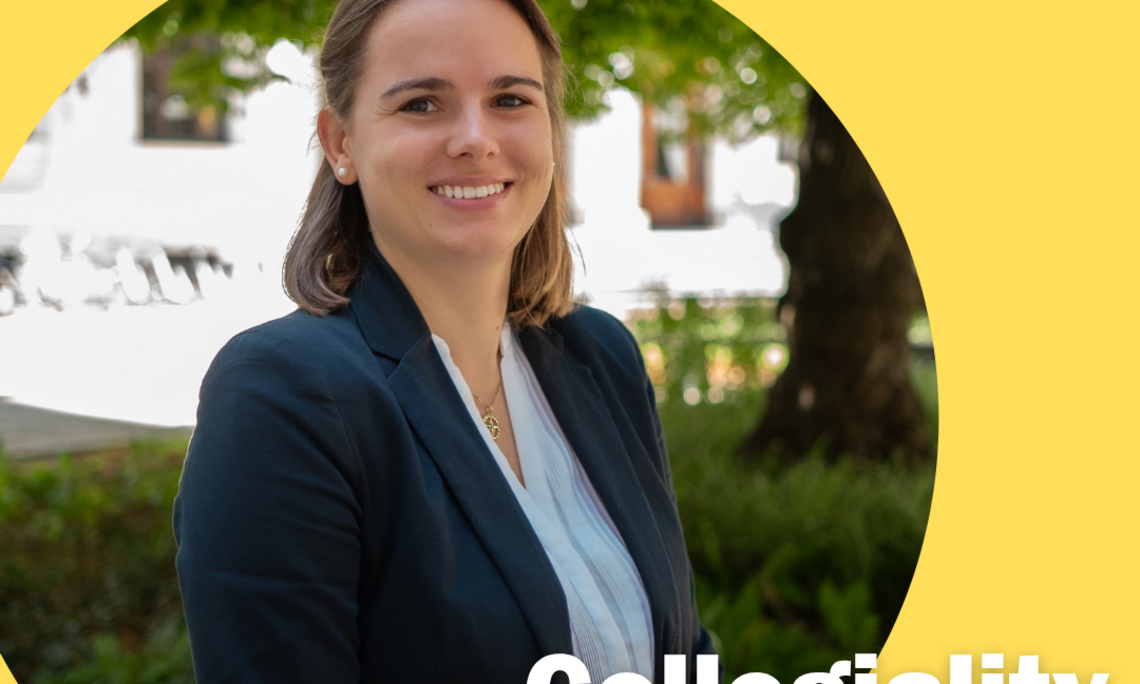
Portrait Taghizadeh, Picture credit: Taghizadeh, Privat

Read what works at work in our interview series with Uni Graz researchers

This summer, we're all about making space in your work life for those things YOU consider a priority. So we've asked our University of Graz researcher community about aspects of their daily work life that they have developed a useful routine for - and aspects that still need a “research life hack”.

Interview partner: 

  • Shiva Taghizadeh, Department of Psychology 

Shiva Taghizadeh's daily work: 

“I am a PhD researcher in the Department of Psychology at the University of Graz. As a project assistant, my work sits at the crossroads of cognitive psychology and educational neuroscience — I try to understand what happens in the brain when people think about their own thinking while they are solving a math problem. What makes them confident they got it right — or aware they got it wrong? In more technical terms, I study the neurocognitive mechanisms underlying metacognition, specifically in mathematics and arithmetic. Both math and the self-monitoring process fascinate me."

The "happy hack" that makes Shiva more efficient/creative/motivated at work:

"If we skip sports, one practice that has genuinely changed how I work is what I call a "pre-task metacognitive check" — and yes, I do find it true that research is “me” search, a metacognition researcher has learned to use metacognition as a productivity tool. Before I sit down to a demanding task, whether that's designing an EEG paradigm, analysing data, or writing a difficult section of a paper, I spend about five minutes writing down three things: what I am trying to achieve, what I already know about it, and where I expect to get stuck. It sounds simple, but it forces me to be honest with myself about my actual knowledge gaps before I start, rather than discovering them mid-flow and losing momentum. My research tells me this kind of deliberate self-monitoring reduces cognitive overload, and my experience confirms it. I am calmer, more focused, and far less likely to end the day feeling like I was busy but not productive."

And the challenge in her research life that she still needs a hack for:

“Honestly? Switching off. I study how people regulate their cognition, and yet I have not cracked the code on how to stop my own brain from running experiments in the background at eleven at night or waking up at four in the morning to spot a mistake in my analysis code. PhD research has this way of bleeding into every quiet moment — a finding that does not quite replicate, a new idea that arrives exactly when you should be sleeping. I know the research on cognitive rest and how critical it is for memory consolidation and creative insight. I know it intellectually. I just have not found my personal ritual for actually doing it. If anyone has a hack for that, I'm interested.”

What is your own happy hack? Let us know!

Find the full series of interviews here: How to hack your research life - Research Careers Campus Graz

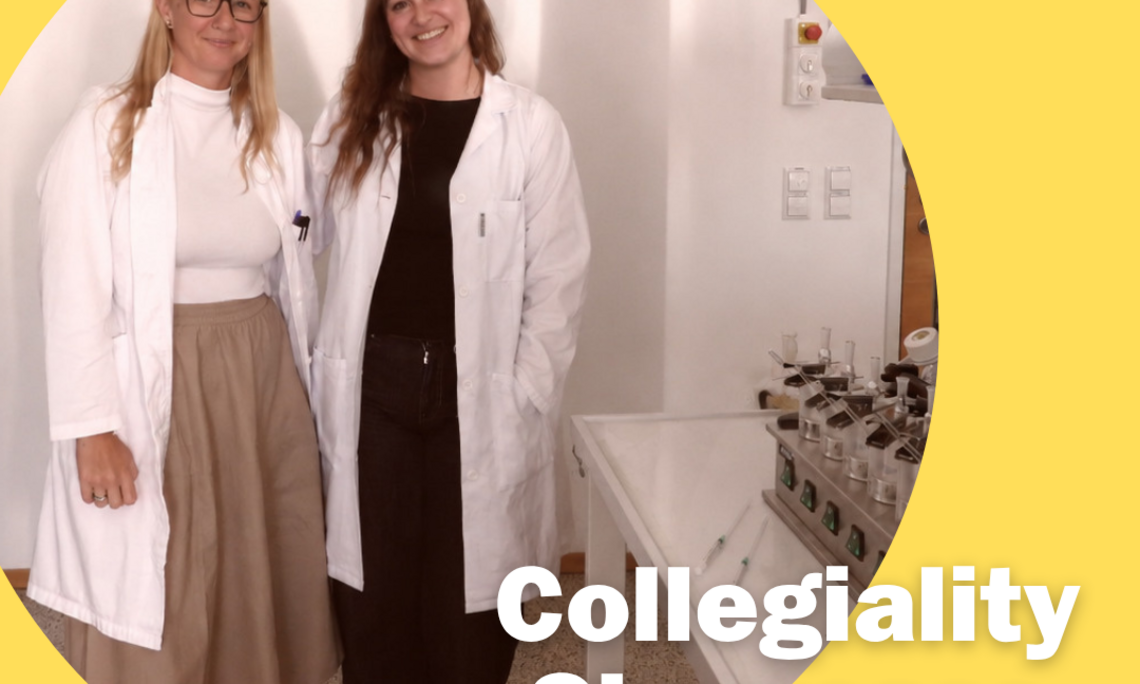
(Interview: Johanna Stadlbauer, 29.6.2026, picture credit: Jessica Karkheck)

Weitere Artikel

July round of RCC grants awarded: 76 applications funded

Micro-grants for researchers of all career stages to promote their visibility

Dates to watch out for after the summer for PhDs

Mark your calendars with these dates planned by the RCC for you as a PhD this coming autumn/winter term!

How to hack your research life

Read interviews with University of Graz scholars about effective practices for motivation and creativity

How to stimulate the creative part of your mind (Bojana Radovanović)

Read what works at work in our interview series with Uni Graz researchers

Beginn des Seitenbereichs:
Zusatzinformationen:

Universität Graz
Universitätsplatz 3
8010 Graz
  • Anfahrt und Kontakt
  • Kommunikation und Öffentlichkeitsarbeit
  • Moodle
  • UNIGRAZonline
  • Impressum
  • Datenschutzerklärung
  • Cookie-Einstellungen
  • Barrierefreiheitserklärung
Wetterstation
Uni Graz

Ende dieses Seitenbereichs. Zur Übersicht der Seitenbereiche

Ende dieses Seitenbereichs. Zur Übersicht der Seitenbereiche

Beginn des Seitenbereichs:

Ende dieses Seitenbereichs. Zur Übersicht der Seitenbereiche